In the high-stakes world of account management, “the customer is always right” is a dangerous myth. For junior managers, the pressure to please can often lead to burnout, decreased productivity, and high churn rates. Our latest Business English scenario features a high-level meeting where Amber (communication expert) and Theo (client relations) pitch a training initiative to Mr. Harrison to address these very challenges. Watch the video below to become a pro at balancing professionalism and boundaries.
The Art of the Balanced Client Relationship
Handling clients requires a delicate balance of respect and firmness. While respect is the foundation of any professional relationship, being “too nice” can lead to “scope creep,” where a client demands more work than they are paying for. Firmness is not about being aggressive; it is about protecting your team’s time and ensuring that the agreed-upon contract is honored. When a manager sets clear boundaries, it actually builds more respect with the client, as it demonstrates a high level of professional integrity and self-worth.
In the real world, “overly demanding clients” often push boundaries because they haven’t been given clear limits. Junior managers who fail to stand their ground often face a “dip in morale,” as Theo mentions in the script. By teaching teams to say “no” or “not right now” diplomatically, companies can improve team well-being and prevent the burnout that leads to employee turnover. A manager who can firmly explain why a request falls outside the current project scope is far more valuable than one who says “yes” and then fails to deliver quality work.
Ultimately, firm boundary-setting is a proactive measure for client retention. Clients are generally more satisfied with a partner who delivers high-quality work within a set framework than one who over-promises and under-delivers. By treating the client relationship as a partnership of equals rather than a servant-leader dynamic, businesses can ensure long-term stability and a healthier work environment for their staff.
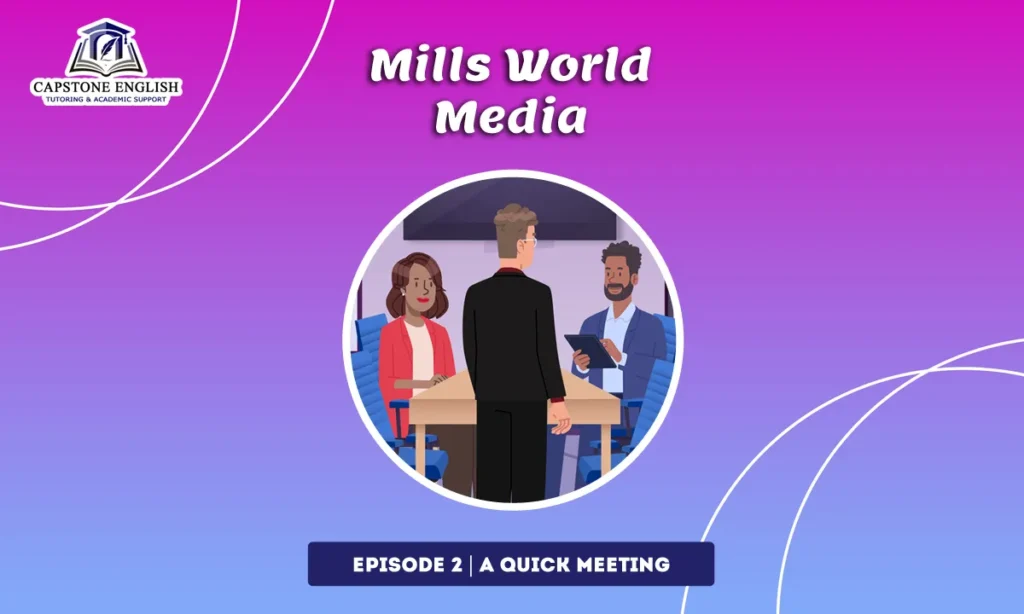
Watch Mills World Media Episode 2: Reel & Script

MR. HARRISON: Good morning, Amber, Theo. Thanks for coming. I’ve reviewed the proposal for the “Client Demand Management” training.
AMBER: Good morning, Mr. Harrison. We’re confident this session will significantly benefit our junior client managers. It directly addresses their struggles with overly demanding clients, which impacts their productivity and, ultimately, our quarterly churn rate.
THEO: Exactly. From the client-facing side, we’ve seen a noticeable dip in morale when these younger managers feel overwhelmed. Equipping them with better negotiation and boundary-setting techniques is crucial for client retention and overall team well-being.
MR. HARRISON: I appreciate the initiative. The numbers you provided, Theo, regarding the potential reduction in client escalations, are compelling. My primary concern remains the resource allocation for this. Amber, how long will this training impact your other HR initiatives?
AMBER: We’ve streamlined the content to a focused half-day workshop, Mr. Harrison. It’s a proactive measure that we believe will save us much more in time and resources in the long run by preventing client churn. We’ve budgeted for it efficiently.
MR. HARRISON: Very well. I’m prepared to greenlight this. Ensure you provide a follow-up report on its effectiveness in three months.
THEO: Absolutely, Mr. Harrison. Thank you.
AMBER: We will. Thank you for your support.
Vocabulary Spotlight: Key Business Idioms
To help you sound more like a native speaker, let’s break down the professional expressions used in this dialogue.
| Term | Definition | Contextual Use |
| Churn Rate | The rate at which customers stop doing business with an entity. | “High churn rates often signal a need for better client management.” |
| Greenlight | To give permission for a project to proceed. | “Mr. Harrison decided to greenlight the new training workshop.” |
| Resource Allocation | The process of assigning and managing assets in a manner that supports an organization’s goals. | “We must consider resource allocation before starting a new project.” |
| Escalations | When a client issue is moved to a higher level of authority. | “Effective negotiation reduces the number of client escalations.” |
Episode 2 Professional Takeaways
Based on this video, what can we learn about balancing professionalism and boundaries?
- Use Data to Make Your Case: Note how Theo used “numbers” regarding “potential reduction in client escalations” to convince leadership.
- Proactive vs. Reactive: Amber describes the training as a “proactive measure,” which is a strong selling point in any business proposal.
- Focus on Efficiency: When pitching to executives, emphasize how you have “streamlined” content to save time.
Balancing Professionalism and Boundaries: Wrap-up
In conclusion, mastering the balance between professional courtesy and firm boundary-setting is a career-defining skill. As Amber and Theo demonstrated, investing in these “soft skills” isn’t just a HR formality—it is a strategic move that protects your team’s mental health and your company’s bottom line. By equipping yourself and your team with the right linguistic tools and the confidence to manage expectations, you transform difficult client interactions from a source of stress into an opportunity for mutual respect and long-term growth.
Your Turn!
Setting boundaries with clients can be one of the toughest parts of the job, especially when you’re just starting out. We want to hear from you.
- What is your “go-to” phrase for politely saying no to an unreasonable client request?
- Managers, how do you support your team when they are feeling overwhelmed by a demanding account?
Watch more Business English Shorts on our YouTube channel to level up your professional communication.