
Successfully implementing systems to efficiently manage project boundaries often makes the difference between a high-growth department and a burnt-out team. When “urgent” requests become the norm rather than the exception, even the most organized professionals can find themselves struggling to protect their resources. In this post, we explore the psychology behind the ASAP culture and provide actionable strategies to help you move from reactive fire-fighting to proactive, data-driven negotiation.
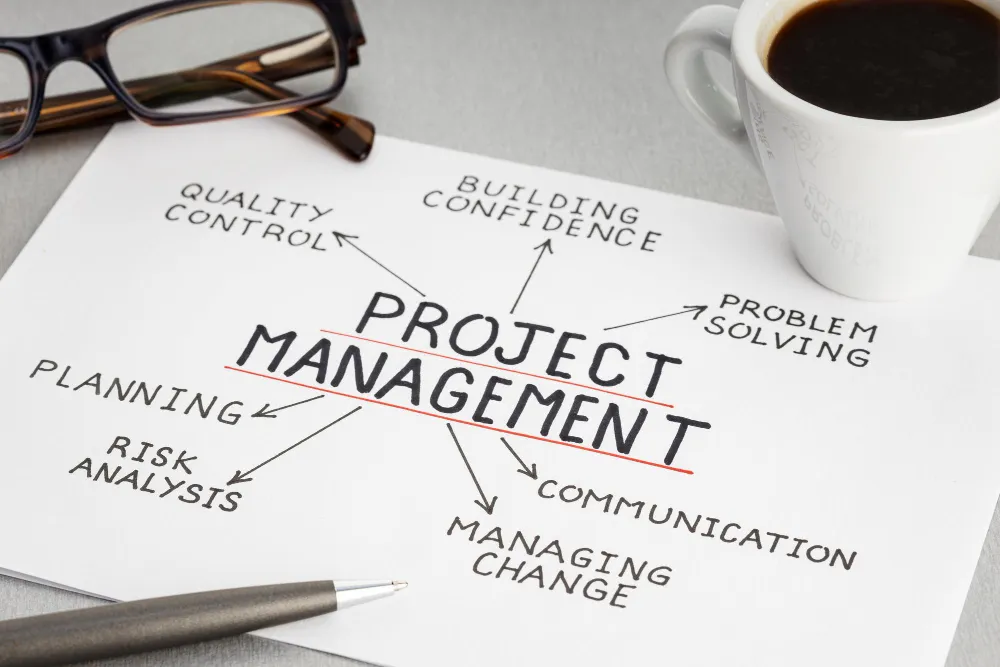
Escaping the ASAP Trap
The ASAP trap is a phenomenon where the perceived urgency of a request completely overrides its strategic value. This often happens with high-value accounts where the pressure to maintain the peace leads to reflexive compliance. According to Amber, at Mills World Media the guiding philosophy is that a “yes” without a viable plan is actually a hidden liability. When professionals fail to identify this trap, they trade the long-term health of their creative talent for short-term client satisfaction. This cycle eventually leads to systemic burnout and a decline in the very quality that the client originally hired them for.
When we set boundaries early, we are not being difficult; we are protecting the project from the erosion of scope creep. This is vital for the bottom line because unmanaged demands often result in increased overhead costs and diminishing returns. Structured frameworks are the bridges that allow us to navigate these difficult conversations. Relying on gut instinct during a high-stakes negotiation often leads to emotional decisions that we might later regret. A three-step framework provides a logical path forward that professionalizes our pushback and ensures every interaction reinforces our role as experts. This structured approach helps manage the emotional labor of the job, allowing us to remain calm and data-driven even when the pressure from stakeholders is at its peak.
Practical Tips for Protecting Your Team
Implementing a framework to effectively manage project boundaries requires a mix of empathy and technical clarity. Here are three core strategies to master these interactions and protect your team.
Validate the Pressure without Committing to the Path
The first step is to acknowledge the client’s reality. When you use phrases like “I understand the urgency,” you are signaling that you are an ally. This validation prevents the conversation from becoming adversarial. It is important to remember that validation is not the same as agreement. You are simply showing that you understand the pressure they are under. This creates the emotional space necessary to move to a more logical discussion about project constraints.
Clarify the Bottleneck with Logical Impact
Instead of a flat refusal, you must explain the specific impact of the request on the project. If a client wants to shave two weeks off a testing phase, you should explicitly state that this jeopardizes the quality of the final deliverable. By focusing on the “bottleneck,” you are moving the conversation away from your willingness to work and toward the technical limitations of the production process. This helps the client see that your boundary is a necessary measure to protect their own investment.
Offer the Pivot as a Collaborative Middle Ground
The pivot is where you demonstrate your value as a strategic partner. Instead of saying “no,” you offer an alternative solution. A soft launch or a phased rollout allows the client to see progress without forcing the team to bypass critical quality checks. This gives the client a win while maintaining the integrity of the creative output. By consistently offering these pivots, you teach the client that you are committed to their success, even when you have to push back on their initial demands.
Listening Practice: The Softened Pivot
Watch the video below to hear Amber prepare her team to manage project boundaries and handle high-stakes accounts.
Comprehension Check
Test your listening skills with this 8-question quiz. Are these statements True or False?
Master the Language of Business
If you want to take your professional English to the next level, check out our premium Weekly Worksheet Sets. Each one includes:
- Full Transcript: A complete word-for-word record of the dialogue.
- Glossary of Key Terms: Definitions and examples for all the jargon and idioms used.
- Spelling & Usage Drill: Targeted practice to ensure you can write these terms accurately.
- Meaning & Context Drill: Exercises that test your ability to use the right words in the right business situations.
- Maze Challenge: A creative way to engage with the story.
- Answer Keys: Solutions for this unit
Plus, extra exercises and scripts from our other Capstone English learning series!
Let’s Talk: How Do You Manage Project Boundaries?
In this unit, Amber explains that our goal is not to be a “gatekeeper” but to be a “strategic partner.” Have you ever found yourself in an ASAP trap where you said yes too quickly? How could using the ‘Validate, Clarify, Pivot’ framework have changed that conversation? Share your experience in the comments below!